


When it comes to chasing smallmouth bass, few places offer the combination of size, numbers, and scenic diversity like Lake Michigan. This lake isn’t just big in size; it’s big in opportunity. From rugged shorelines to underwater reefs and city harbors, Lake Michigan hides smallmouth gold in plain sight. The challenge? Knowing where to go and when to fish it.
We’ve pulled together the five most productive smallmouth hotspots for this season, based not on hearsay, but on years of guide experience, seasonal pattern tracking, and time spent chasing the bite with our clients.
If you’re ready to get serious about catching hard-fighting bronzebacks, here’s where to start, and why these zones consistently produce fish.
Key Takeaways
-
Lake Michigan is a powerhouse for smallmouth bass, offering prime fishing zones from rocky bays to urban shorelines, each with unique structure and seasonal advantages.
-
Top 5 hotspots include: Sturgeon Bay (WI), Grand Traverse Bay (MI), Indiana shoreline, Door County’s eastern shore, and bonus pick Lake St. Clair—all backed by guide-tested patterns.
-
Spring and early summer are peak seasons, as fish stage, feed, and spawn in warming waters across flats, reefs, and current edges.
-
Best baits include tubes, Ned rigs, swimbaits, dropshots, and jerkbaits, with adjustments based on clarity, wind, and structure.
-
Guided trips with Hill Country Hammer provide on-the-water strategy, pro gear, and real-time location shifts to stay on the bite and maximize success.
1. Sturgeon Bay, WI – Rocky Perfection for Early Season Giants

Sturgeon Bay is a smallmouth paradise, especially in spring and early summer. Located in Door County, this spot is known for its clean water, expansive rocky flats, and access to both shallow warm-up zones and deeper post-spawn structure.
What makes it special isn’t just the volume of fish, but the size potential. We consistently see 4 to 6-pound smallmouth here in spring. The water warms early in protected pockets, which pulls in pre-spawn fish looking to feed. Rocky points, transition banks, and offshore humps offer perfect ambush structure.
When fishing Sturgeon Bay, we recommend slow finesse presentations to start, tubes and ned rigs are staples, but don’t be afraid to shift to swimbaits or jerkbaits as the water clarity and temperature align.
Hill Country Hammer’s guides monitor wind shifts and fish movement here daily, making this a prime stop on our Chase the Bite program when early-season windows open up. You can also check out our Lake Michigan Fishing Report, which has additional information.
2. Grand Traverse Bay, MI – Crystal Clear and
One of the most visually stunning fisheries on the lake, Grand Traverse Bay offers exceptional sight-fishing opportunities for smallmouth, especially in spring when fish stage on shallow flats.
This bay is a dream for anglers who enjoy finesse and technical fishing. You’ll find fish cruising sand patches between boulders, staging on isolated rock piles, or setting up on current edges. Depths here vary quickly, which creates a series of small underwater “hills” that fish love to use for cover and feeding.
In May and early June, this bay becomes a true staging hub, with smallmouth pushing up as temps rise. Because of its clarity, presentations need to be precise. We usually scale down to lighter line and longer leaders, throwing tubes, dropshots, and even small topwaters on calm days.
The best way to fish this spot? Bring a guide who knows how to find fish in clear water fast, our team tracks where the fish are moving each week and knows when to switch zones to stay ahead of pressure.
3. Indiana Shoreline near Chicago – Urban Smallmouth You Didn’t See Coming
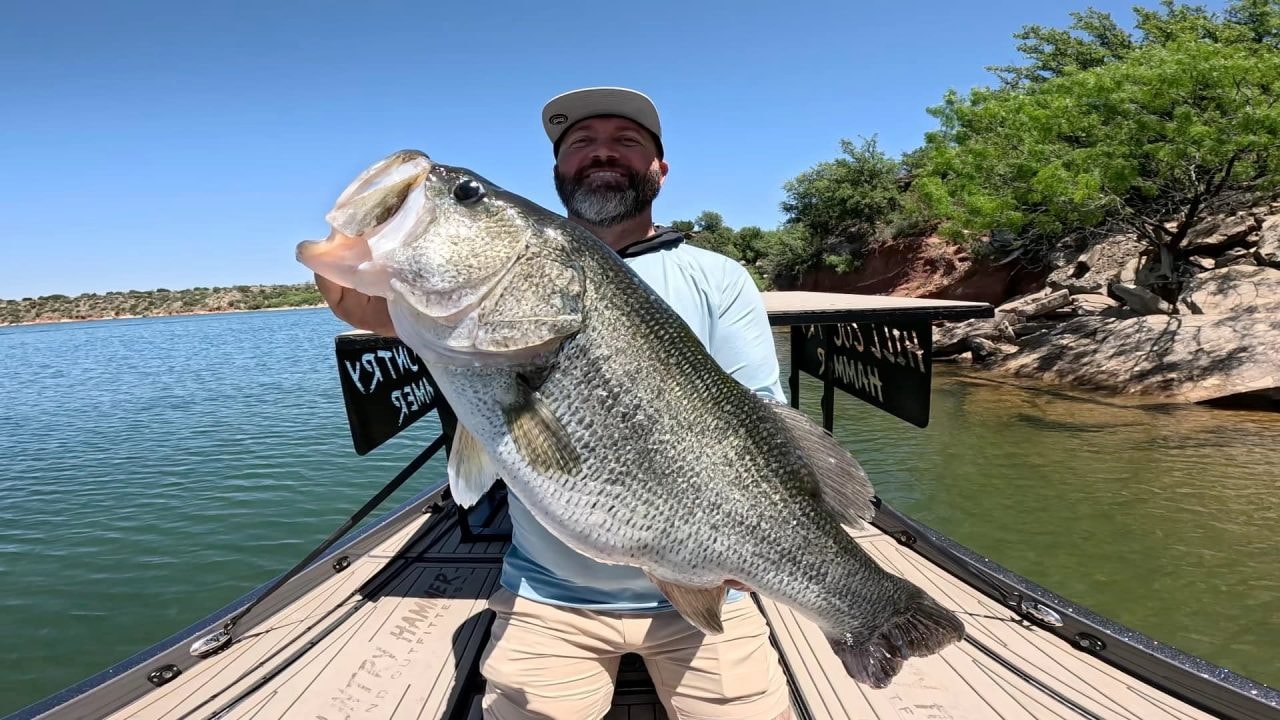
Most people don’t associate city skylines with smallmouth bass, but this stretch proves otherwise. The Indiana shoreline, particularly around the Port of Indiana and Calumet River mouth, offers some of the most overlooked smallmouth fishing on the lake.
Why? Submerged seawalls, industrial breakwaters, and deep manmade structures give fish exactly what they want: cover, current breaks, and temperature stability. During spring and early summer, bass stack up on vertical structure and feed along current seams.
This area is especially productive after a few warm days, and surprisingly resilient even during pressure systems. Our guides often take clients here when inland zones get too clear or wind makes open lake structure unfishable.
If you’re looking for a zone that combines good numbers, quick access, and an alternative bite when other areas cool off, this one’s worth a spot on your list.
4. Door County Peninsula (Eastern Shore) – Rugged Habitat, Big Fish
The eastern shoreline of Door County is a sleeper for smallmouth, especially when warm water gets pushed into shallow rocky bays. The combination of hard bottom, clear access to deeper water, and minimal pressure makes it a consistent producer.
This is a more weather-sensitive zone, which is why many casual anglers miss its prime window. When it turns on, it turns on hard. Smallmouth will pile into shallow shoreline stretches to feed and stage, especially when a south or southeast wind pushes warm water into those pockets.
Baits that work here include tubes (green pumpkin and smoke are go-to), but also swimbaits dragged slowly, and finesse jerkbaits along deeper points.
This is a favorite for guides who are comfortable navigating changing conditions. If you know how to read wind and find fishable coves quickly, you’ll often have entire zones to yourself with fish that haven’t seen a bait in days.
5. Lake St. Clair – Not Lake Michigan, But Worth the Detour
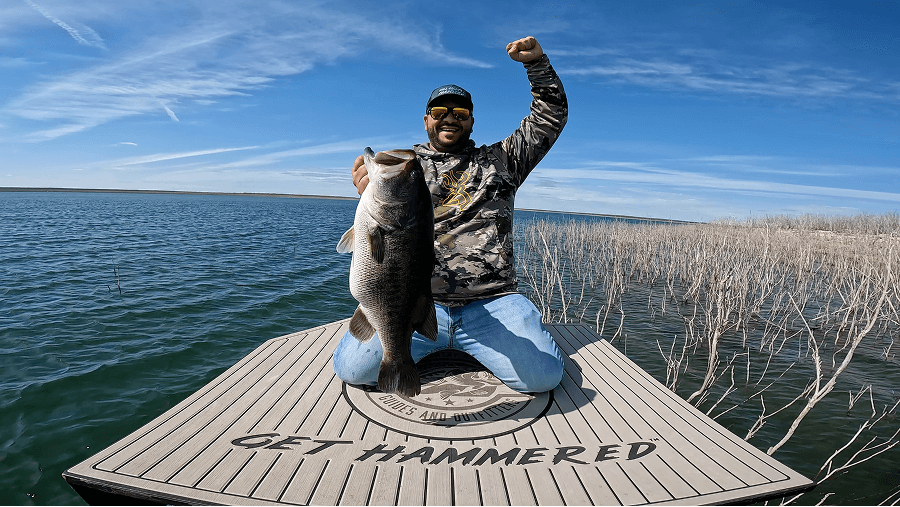
While Lake St. Clair isn’t technically on Lake Michigan, it’s too productive to ignore. Connected to the Great Lakes system and located between Lake Huron and Lake Erie, this lake is one of the most consistent smallmouth fisheries in the region.
What makes it stand out is its basin-style structure. Instead of sharp drops, the lake offers wide flats, subtle rock transitions, and grass patches that hold fish across broad areas. This creates volume fishing, where you’re constantly hooking into fish rather than searching for isolated structure.
We often recommend Lake St. Clair trips for clients who want a mix of high-volume action and skill development. You’ll use a wide range of presentations here: crankbaits over grass, tubes around rock patches, and even spinnerbaits during wind shifts.
It’s an easy day trip for anyone fishing Michigan waters, and a perfect fallback if Lake Michigan gets hit with tough weather.
What Makes These Spots Different?
It’s not just about water temperature or structure, it’s the combination of:
- How quickly these spots warm up in spring
- What kind of forage do they support (goby, craw, shiners)
- And most importantly, how fish use them to transition
All five of these locations give smallmouth a staging area, a feeding zone, and eventually, a spawning flat. That’s what makes them dependable, not just this spring, but every spring.
Gear & Approach: What We Use, What Works
Each of these spots demands a slightly different presentation, but the staples stay consistent:
- Tubes and Ned rigs are essentials, especially in rocky or clear-water environments.
- Swimbaits give you the ability to cover water while staying subtle.
- Drop shots come into play in deeper structures or high-pressure zones.
- Jerkbaits and crankbaits work especially well with wind or when fish are cruising.
At Hill Country Hammer, we equip every guided trip with premium rods, reels, and tackle, so you’re never left guessing. Our captains, Leroy Boss, also walk you through each lure and technique, perfect for those looking to improve finesse fishing, baitcasting control, or spot analysis.
Why Guided Trips Make a Difference
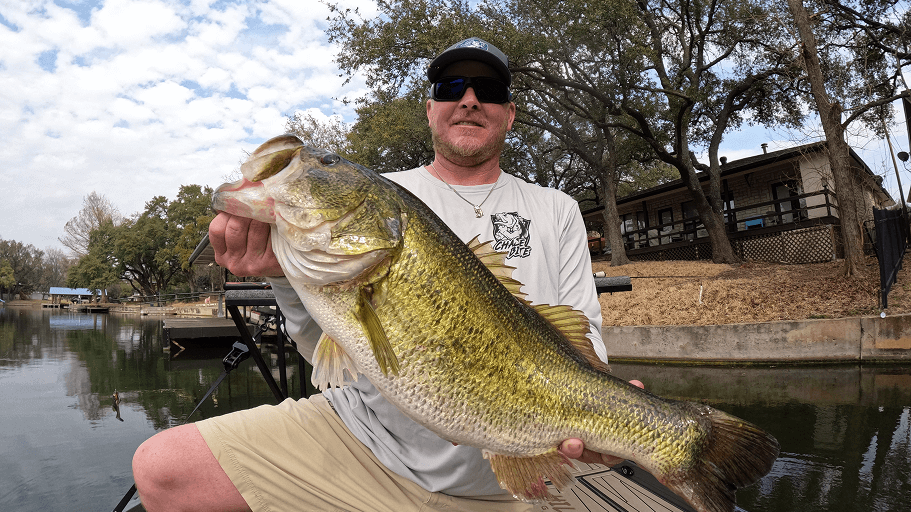
Each location above can produce fish, but conditions change fast. Water clarity, wind direction, boat traffic, and bait fish movement all impact where fish go and how they respond. That’s why fishing with a seasoned guide isn’t just convenient, it’s strategic.
At Hill Country Hammer, we don’t just take you to fish, we help you understand the pattern. Every trip includes:
- Real-time location decisions based on wind and water shifts
- Instructions on how to work each presentation for smallmouth
- A fully tailored experience based on your skill level and goals
Whether you want to focus on trophy fish, learn how to fish finesse techniques, or simply enjoy the fight smallmouth are famous for, we’ve got you covered.
Book Your Smallmouth Trip with Hill Country Hammer
These spots are hot, but they don’t stay quiet for long. Spring and early summer offer the most consistent smallmouth action, and once the spawn peaks, fish start spreading out and going deeper.
If you’re ready to explore these lakes with a crew that lives on the water, give us a call at (325) 248-8012 or book online here. Whether you want to hit Grand Traverse with a finesse rod or chase numbers on St. Clair, we’ll get you dialed in.
Chase the bite. Fish with purpose. Catch a smallmouth, you won’t forget.
Frequently Asked Questions
How do I know which Lake Michigan smallmouth spot is right for me?
It depends on your goals. If you want big fish and clear water, Grand Traverse or Sturgeon Bay are ideal. If you prefer easy access with less travel, Indiana shoreline zones can offer surprisingly solid action close to the city. Our guided trips help match the location to your experience level, gear preference, and fishing style.
Do smallmouth bass behave differently across Lake Michigan locations?
Absolutely. In clearer, northern zones like Door County or Traverse Bay, smallmouth tend to stage deeper and respond better to finesse. In warmer, stained water near urban shorelines, they’re often more aggressive and hold tighter to vertical cover. Understanding these patterns is key to adjusting your bait, line weight, and presentation.
How does wind direction affect smallmouth fishing?
Wind can shift everything, from water temperature and clarity to fish positioning. A strong south wind can warm up shallow bays and push bait into coves, triggering bites. On the flip side, offshore winds can shut down shallow activity. Our captains track wind daily to position you where conditions are most favorable.
Can I fish multiple top smallmouth spots in one guided trip?
Yes, depending on proximity and conditions. Some zones, like Sturgeon Bay and Door County, are close enough to bounce between in a full-day trip. Our guides create flexible plans that adapt throughout the day, especially if one bite slows down or wind direction changes.